Practice at the temple
Zazen and Sutra Copying
Ikkeji is a Rinzai Zen temple with a long connection to Zen practice in Kure. The practices found at Ikkeji offer a window into the quiet, practical side of Japanese Buddhism.

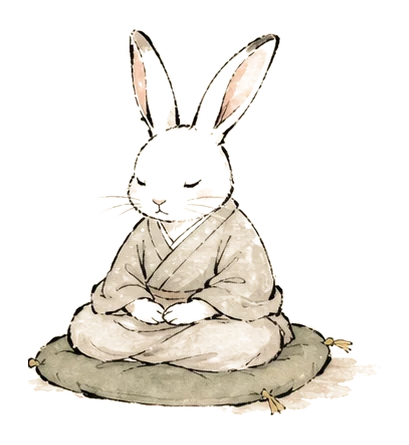
Zazen
Zazen means seated Zen meditation. It is a time to adjust the body, settle the breath, and look quietly at the mind. At Ikkeji, the emphasis is not on perfect form, but on first sitting down and experiencing the atmosphere of the temple.
The temple has a historical connection with naval officers who practiced Zen in Kure. Today, people from many walks of life still come to sit, breathe, and return to daily life with a little more space in the heart.
Practice, Not Performance
In a temple setting, practice is not mainly something to watch or consume. It is a small discipline: sitting still, copying one character carefully, receiving food with gratitude, and noticing how the mind moves.
For current schedules and reservation information, please see the Japanese site.
Shakyo: Sutra Copying
Shakyo is the practice of copying a Buddhist sutra by hand. Many people experience sutra copying as a form of meditation. The hand moves slowly, the eyes follow the characters, and the mind becomes focused on one line at a time.
At Ikkeji, sutra copying is usually done at a table with a chair, so it is accessible even for people who are not used to sitting on the floor.

Shojin Ryori
Shojin ryori is Buddhist vegetarian cuisine. It is not simply "vegetarian food" in a modern sense. It is connected with gratitude, restraint, seasonality, and the careful use of ingredients.
When served after practice, shojin ryori becomes part of the experience: sitting, copying, eating, and leaving the temple a little quieter than when one arrived.